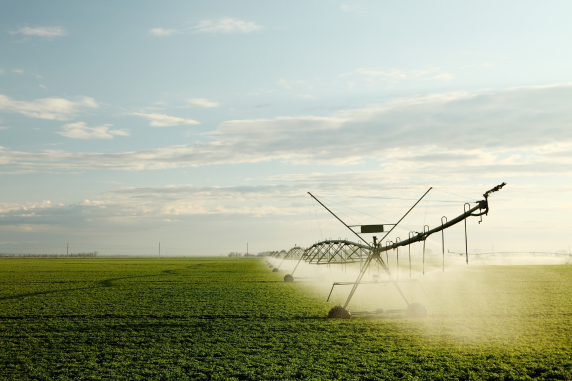
Revolutionizing Water Conservation in Arizona: The Water Irrigation Efficiency Program

Arizona, a state known for its arid climate and precious water resources, is pioneering efforts to safeguard its future through innovative water conservation strategies. At the forefront of these initiatives is the Water Irrigation Efficiency Program (WIEP), a visionary project aimed at revolutionizing how water is used in agriculture—Arizona’s most water-intensive sector.

Bridging Innovation and Agriculture

Launched in 2022 with robust support from state Representative Tim Dunn of Yuma, the WIEP represents a proactive response to the escalating water scarcity challenges in Arizona. Funded by a substantial $45 million investment from the State of Arizona and administered by the University of Arizona Cooperative Extension, the program has already made significant strides in water conservation across 11 counties. By assisting farmers and ranchers in transitioning to more water-efficient irrigation systems, the WIEP is not just conserving water; it’s securing the future of agriculture in Arizona.

The program’s funding, including an initial $30 million allocation in 2022 followed by an additional $15 million in 2023, underscores the state’s commitment to this cause. Furthermore, $3 million has been earmarked for University of Arizona research to meticulously evaluate the impact of these new irrigation systems on crucial agricultural parameters such as water efficiency, soil health, pest management, and crop production.

Aiming for Efficiency and Beyond

The WIEP’s goal is ambitious yet straightforward: to enhance irrigation water application efficiency in crop production by at least 20%. Achieving this target means that approved grantees, who could receive up to $1,500 per acre with a cap of $1,000,000 for system purchases and installation, are at the vanguard of a transformational shift in agricultural practices. The program’s meticulous design mandates the installation of appropriate water metering devices on all new irrigation systems, ensuring precise monitoring and reporting of water usage data.

This data collection is not just a bureaucratic requirement; it’s a cornerstone of the program’s research dimension. The University of Arizona Cooperative Extension is tasked with analyzing this data to further understand the broader impacts of water-efficient irrigation on crop yield, soil health, and resistance to disease and pests.

Making Every Drop Count

The impact of the WIEP is as tangible as it is significant. With over 36,400 acre-feet of water conserved annually, the program’s achievements are equivalent to filling Tempe Town Lake twelve times over each year. This remarkable feat represents a vital contribution to Arizona’s water conservation efforts, demonstrating the program’s critical role in addressing the state’s water crisis.

Moreover, the program’s requirement for a 42% project cost match by participants illustrates a shared commitment between the government and agricultural community to sustainable water use. This collaborative approach not only maximizes the program’s reach and effectiveness but also fosters a culture of conservation and innovation within Arizona’s agricultural sector.

Looking Ahead

The Water Irrigation Efficiency Program is more than a water conservation initiative; it’s a testament to Arizona’s proactive stance on addressing water scarcity through collaboration, innovation, and research. As the program continues to evolve and expand, its contributions to sustainable agriculture and water management will undoubtedly serve as a model for arid regions worldwide, highlighting the importance of adaptive strategies in the face of environmental challenges.

With an additional $30 million invested in 2024 to further the program’s objectives, Arizona is not just responding to a crisis—it’s leading the way in creating a more sustainable and water-resilient future for generations to come.

To learn more about the Water Irrigation Efficiency Program and/or to apply, please visit: https://extension.arizona.edu/water-irrigation-efficiency-program

Am I eligible to receive a government grant?

Navigating the landscape of government grants can be a complex process, especially for those within the agricultural industry in Arizona. Whether you’re a seasoned farmer, a cattle grower, or an emerging entrepreneur, understanding your eligibility for these grants is important. 

We built the Opportunity Finder to make the process of finding these grants and other opportunities – like loans – much easier for you. Our goal is not only to help you identify opportunities, but better understand how you might benefit, so that you can approach these opportunities with confidence and clarity. By empowering you with the right tools and knowledge, we aim to simplify the often complex journey of securing grants and loans, ensuring you can focus more on what you do best—nurturing and growing your agricultural business. We understand that by leveraging these resources, you not only contribute to the success of your own operations but also play a crucial role in bolstering our entire state’s economy and ensuring the sustainability of our agricultural heritage. 

Understanding Government Grants for Agriculture

Government grants are non-repayable funds or products disbursed by one party, typically a government department, corporation, foundation, or trust, to a recipient, often (but not always) a nonprofit entity, educational institution, business, or an individual. In the agricultural sector, these grants are designed to support the industry’s various needs, including but not limited to research and development, farming equipment, sustainability initiatives, and livestock management.

Grants are an incredible source of revenue for farmers and cattle growers, which can be used in a variety of applications. The two most common sources of funding for cattle growers and farmers is through the United States Department of Agriculture and the Small Business Administration. Here is a breakdown of the type of funding each provide: 

USDA Grants

The USDA offers a variety of grants designed to support the agricultural sector, focusing on rural development, innovation, sustainability, and market expansion. Key areas where USDA grants can be utilized include:

  • Farm Operations and Expansion: Grants can support the purchase of equipment, seeds, livestock, and other necessary supplies for starting or expanding farm operations.
  • Sustainability and Conservation: Programs like the Environmental Quality Incentives Program (EQIP) offer financial assistance for farmers and cattle growers to implement conservation practices that improve soil health, water quality, and reduce erosion.
  • Research and Development: Funding is available for research into agricultural practices, crop and livestock improvement, pest management, and sustainable farming techniques.
  • Marketing and Market Expansion: Programs such as the Value-Added Producer Grant (VAPG) help farmers and cattle growers develop marketing strategies, create new products, or expand their markets to increase revenue.
  • Renewable Energy: Grants like those offered through the Rural Energy for America Program (REAP) can be used to install renewable energy systems (solar, wind, biomass) or make energy efficiency improvements to operations.

SBA Grants

While the SBA is more broadly focused on supporting small businesses across various industries, certain programs and grants can be beneficial for farmers and cattle growers, especially in areas like disaster recovery and business development. Here’s how SBA grants can support the agricultural sector:

  • Disaster Assistance: Farmers and cattle growers affected by natural disasters can access SBA disaster loans to repair or replace damaged property, equipment, and livestock.
  • Business Development: Though direct SBA grants for farming operations are limited, the SBA offers resources and loan programs that can help agricultural businesses start, grow, and succeed. This includes access to capital through SBA-backed loans and technical assistance through programs like SCORE and Small Business Development Centers (SBDCs).
  • Innovation Research: The Small Business Innovation Research (SBIR) program, while competitive and not exclusively agricultural, can provide funding for innovative research and development projects that could benefit the agricultural sector.

Eligibility Criteria

The eligibility for agricultural grants can vary significantly depending on the specific grant in question. However, most federal agricultural grants share common eligibility requirements:

  • Type of Agricultural Business: Most grants specify the type of agricultural activities eligible for funding. This could range from crop farming to cattle raising, organic farming, and more.
  • Business Size and Type: Small to medium-sized enterprises (SMEs) often have a better chance of qualifying for grants. The structure of your business (e.g., sole proprietorship, LLC) may also impact eligibility.
  • Location: Certain grants are targeted at specific regions, states, or areas within states to promote agricultural development in those areas.
  • Use of Funds: Grants usually come with stipulations on how the funds can be used, aligning with the grant’s objective, such as sustainability, innovation, or expansion.

While there is funding available, it’s important to note that most grants are highly competitive and should be treated as such. Understanding the grant process is the first step towards tapping into a wealth of resources designed to enhance agricultural practices, sustainability, and economic vitality. Here’s a quick snapshot of the grants process (for most federal grants). 

  1. Identifying Opportunities: Utilize tools like our Opportunity Finder to identify grants specifically designed for cattle growers and farmers. These grants are often aimed at supporting sustainable farming practices, innovation, and economic growth within the agricultural sector.
  2. Preparation and Application: Once a suitable grant is identified, the preparation phase involves gathering necessary documentation, which typically includes a business plan, financial records, and a detailed proposal of how you intend to use the funds. Following the grantor’s guidelines, submit your application within the specified timeframe.
  3. Review and Award: Grant applications undergo a review process, where they are evaluated based on criteria such as feasibility, impact, and alignment with the grant’s objectives. Successful applicants are then awarded the grant, subject to compliance with the grant’s terms and conditions.

Why It’s Wise to Apply for Grants

Engaging in the grant application process opens the door to not only financial support but also to a pathway for innovation, sustainability, and business growth. Grants can provide the means to experiment with new farming techniques, invest in renewable energy sources, or simply ensure the long-term viability of your farm or ranch. By leveraging these opportunities, you’re positioning your business to thrive in an increasingly competitive and environmentally conscious market.

Benefits of Receiving Grant Funding 

  • Financial Support Without Repayment: Grants provide financial support that doesn’t need to be repaid, alleviating financial pressure and allowing for reinvestment into your business.
  • Innovation and Growth: With financial backing, you can explore innovative farming practices, invest in new technologies, or expand your operations, driving growth and sustainability.
  • Enhanced Sustainability: Many grants focus on sustainable practices, helping you contribute to environmental conservation while potentially reducing operational costs.

How Grant Funds Can Be Utilized

  • Equipment and Infrastructure: Purchase or upgrade farming equipment, build or repair infrastructure, or invest in irrigation systems to enhance productivity and efficiency.
  • Research and Development: Conduct research into sustainable farming techniques, breed improvement programs, or develop new products to stay competitive.
  • Training and Education: Attend workshops, training programs, or courses to enhance your knowledge and skills in modern agricultural practices.
  • Environmental Conservation: Implement practices that promote soil health, water conservation, and biodiversity, aligning with environmental sustainability goals.

Farmers and cattle growers should consider how these grants and programs align with their operational needs and long-term goals. Whether it’s through direct financial assistance, loans, or technical support, leveraging USDA and SBA resources can significantly impact the sustainability, efficiency, and profitability of agricultural operations.

It’s important to note that each grant or program has its own eligibility criteria, application process, and deadlines. Utilizing resources like the Opportunity Finder mentioned earlier can help identify and apply for the programs that best match your specific needs and objectives.

Commonly Asked Questions

Q1: How can I find out which grants I’m eligible for?

The best way to identify grants you’re eligible for is by using resources like our Opportunity Finder. This tool simplifies the search process by matching your specific business profile with available grants.

Q2: What do I need to apply for an agricultural grant?

While requirements vary, you’ll generally need a detailed business plan, financial statements, a clear outline of how you plan to use the grant, and sometimes, evidence of matching funds or resources.

Q3: Are there grants specifically for sustainability or organic farming?

Yes, there are numerous grants aimed at promoting sustainable practices and organic farming within the agricultural sector. These grants support initiatives like water conservation, renewable energy, and organic crop production.

Is Sonoita the next wine country?

The emerging viticulture scene in Sonoita, Arizona, is poised to make a significant mark on the state’s economy and the national wine industry. With soil composition akin to the renowned Burgundy region in France, the dedication of local viticulturists and vintners, and a burgeoning culture of excellence in winemaking, Sonoita is on the path to becoming the next celebrated wine country.

A unique terroir rooted in the soil

Sonoita and Elgin, nestled near the Mexican-American border, boast a soil composition strikingly similar to that of Burgundy, France, a region globally recognized for producing some of the finest wines in the world. Like Burgundy, the unique climate is a key factor which contributes to its potential as a wine-producing region. The area’s high elevation of around 4,800 feet above sea level brings cooler temperatures, especially during the evenings. This diurnal temperature variation is crucial for grape development, allowing them to retain acidity while developing complex flavors. Additionally, the rocky soils in Sonoita contribute to well-drained conditions that promote healthy vine growth and concentrated fruit flavors.

In years past across the globe, growers have brought in plants ill-suited to the climate and fought against the nature of that climate – the temperature, soil, etc. – to grow the intended crop. It’s important to recognize that while Sonoita is indeed warmer than many well-known wine regions, the vintners in this region have spent the last 40 plus years working within the climate, studying the soil and experimenting to hone and perfect their craft. Winemaking, in this way, involves both art and science. 

It involves a deep understanding of grape varieties, intuition about when to harvest, and the skill to transform grapes into a harmonious blend of flavors. This is where the vintner’s artistry shines.

Crafting a perfect wine is about striking a balance. It’s the delicate interplay of acidity, sweetness, tannins, and alcohol content. It’s about knowing when to intervene and when to let nature take its course. It’s the art of selecting the right oak barrels for aging, of blending different batches to achieve a complex and refined final product.

Vintners, much like painters, create their masterpieces through intuition and experience. They navigate the complexities of fermentation and aging, making choices that ultimately define the character of the wine. It’s in the artful decision to blend specific grape lots for a nuanced Bordeaux-style red or in the choice of stainless steel tanks for preserving the freshness of a Chardonnay.

It’s this fusion of art and science that makes winemaking so captivating and rewarding. Vintners in Sonoita and across the world continually strive to understand and harness the natural elements while allowing their creative spirit to shine. In this delicate balance, they craft wines that are not just beverages but expressions of the land, the climate, and the culture in which they were conceived. 

Sonoita boasts a selection of grape varieties well-suited to its unique climate and soil. The climate is not conducive to cool-weather varietals like Riesling. Instead, the warm summers and unique terroir favor warm-weather varietals, which is why winemakers have been experimenting with both traditional and innovative warm-weather varietals. Classics like Cabernet Sauvignon, Merlot, and Chardonnay thrive alongside lesser-known varieties such as Tempranillo and Viognier. This diversity enables winemakers to craft a range of wine styles, appealing to a broader audience.

National acclaim, local fame

As Sonoita wines gain attention, they are also accumulating accolades in prestigious wine competitions – the most recent of which was Sonoran Wines “Double Gold” and “Best in Class” at the 2023 Sunset International Wine Competition for their 2018 Real de Terrenate red blend. 

In a competition crowded with wines from noteworthy regions of Napa and Sonoma County, this award signals that the region is producing wines of note, catching the attention of both consumers and industry experts. Such recognition will undoubtedly pave the way for Sonoita’s ascent in the competitive wine market.

The making of a wine country

It’s impossible to ask the question – is Sonoita the next wine country – and not explore the wine country that put American wines on the international map. 

While California embarked on its wine journey in the 1700s, it wasn’t until 1854, with John Patchett’s creation of Napa’s first official vineyard and winery, that the true potential of viticulture began to unfold. Over a century later, in 1976, Napa Valley finally received international recognition for its winemaking prowess.

In contrast, Sonoita’s viticulture story is in its infancy. Dr. Gordon Dutt, credited with opening Sonoita’s first commercial vineyard in 1983 (technically in Elgin), sparked a cultural shift around viticulture in the region. The significance lies in the fact that Sonoita’s wine industry is barely four decades old, and yet it has already garnered national and international attention, when it took Napa over 150 years to do the same. 

Thrillist, in their ode to Sonoita viticulture titled: Explore Sonoita, Arizona’s Completely Underrated Wine Region, notably stated: “Napa Valley can eat its (delicious, rave worthy) heart out. There are about a dozen wineries that are making just-as-good, if not better, wines in Sonoita…” 

How could the development of a wine country impact Arizona? 

According to Visit Napa Valley, recent research conducted in 2018 reveals that Napa Valley contributed a staggering $2.23 billion to the total spending by visitors in that year alone. While it’s important to note that this substantial economic impact isn’t solely attributable to the wine industry, a significant portion of it undoubtedly stems from the region’s renowned winemaking sector. Moreover, this influence extends beyond winemakers, as it significantly bolsters the entire travel industry ecosystem, encompassing hotels, restaurants, transportation services, and more.

The Arizona Wine Growers Association Wine Industry Economic Impact Analysis report from 2021 states “Wine tourism, representing additional, non-wine spending on hotels, fuel, restaurants, and other travel expenses, directly supported 390 workers and $33.7 million in business revenue.” 

While a mere portion of the revenue generated by Napa Valley, the industry  (according to this report) tripled from 2012-2019. 

In addition to wine tourism, distribution contributes greatly to the Arizona economy, which this report estimates as creating 1,270 jobs, and producing $55.6 million in income, and $155.9 million in business revenues. 

Napa Valley, often referred to as the crown jewel of American wine regions, serves as an inspiring model for how wine culture can shape and redefine a region’s identity. Over the decades, Napa has evolved from a picturesque agricultural area into a globally renowned wine destination, whose entire tourism ecosystem revolves around this international acclaim. Luxurious wineries, high-end restaurants, and upscale accommodations have flourished alongside vineyards.  

The trajectory of growth in Sonoita’s wine industry is undeniably positive, and the region is poised for even greater success. As a predominantly rural area, Sonoita possesses the remarkable ability to harness this growth through the powerful engine of tourism. Adjacent small towns like Patagonia are also set to reap the rewards of this burgeoning industry, as they become integral parts of the broader wine experience.

It’s enticing to consider the possibility of a growth pattern which mirrors that of Napa and how that might impact not only these small towns, but the state of Arizona as a whole. Marks of this renaissance are becoming more and more evident in the evolution from small vineyards and wineries into modern tasting rooms, perfect pairings, and truly peaceful, breathtaking views of pristine countryside. 

Sonoita’s success story is a testament to the dedication, passion, and relentless pursuit of excellence by its winemakers. It’s a testament to the belief that a distinctive terroir can, in a short span of time, create wines that rival those produced in regions with centuries of tradition.

In an industry where centuries-old vineyards often dominate the landscape, Sonoita’s meteoric rise as a wine-producing powerhouse stands as a truly awe-inspiring phenomenon. As the region continues to refine its wines and craft a unique culture of excellence, Sonoita stands ready to become the next iconic name in American viticulture, putting Arizona on the global wine map and bringing economic prosperity to the state through wine tourism and exports.

Sources: 

Author(s): High Peak Strategy
Title: The Arizona Wine Growers Association Wine Industry Economic Impact Analysis
Publication Year: 2021
URL: https://azwinegrowersassociation.com/wp-content/uploads/2023/02/AWGA-Economic-Impact-Report-2021_High-Peak-Strategies.pdf

Author: Thrillist Author
Title: Explore Sonoita, Arizona’s Completely Underrated Wine Region
Publication Date: 2017, February 13
Source: Thrillist
URL: https://www.thrillist.com/drink/phoenix/sonoita-az-vineyards-what-to-know-arizona-wine-country