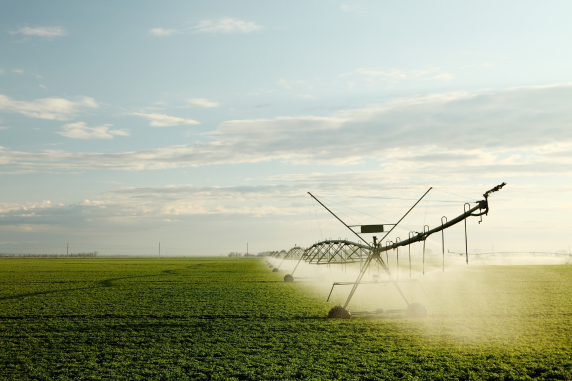
Arizona, a state known for its arid climate and precious water resources, is pioneering efforts to safeguard its future through innovative water conservation strategies. At the forefront of these initiatives is the Water Irrigation Efficiency Program (WIEP), a visionary project aimed at revolutionizing how water is used in agriculture—Arizona’s most water-intensive sector.
Bridging Innovation and Agriculture
Launched in 2022 with robust support from state Representative Tim Dunn of Yuma, the WIEP represents a proactive response to the escalating water scarcity challenges in Arizona. Funded by a substantial $45 million investment from the State of Arizona and administered by the University of Arizona Cooperative Extension, the program has already made significant strides in water conservation across 11 counties. By assisting farmers and ranchers in transitioning to more water-efficient irrigation systems, the WIEP is not just conserving water; it’s securing the future of agriculture in Arizona.
The program’s funding, including an initial $30 million allocation in 2022 followed by an additional $15 million in 2023, underscores the state’s commitment to this cause. Furthermore, $3 million has been earmarked for University of Arizona research to meticulously evaluate the impact of these new irrigation systems on crucial agricultural parameters such as water efficiency, soil health, pest management, and crop production.
Aiming for Efficiency and Beyond
The WIEP’s goal is ambitious yet straightforward: to enhance irrigation water application efficiency in crop production by at least 20%. Achieving this target means that approved grantees, who could receive up to $1,500 per acre with a cap of $1,000,000 for system purchases and installation, are at the vanguard of a transformational shift in agricultural practices. The program’s meticulous design mandates the installation of appropriate water metering devices on all new irrigation systems, ensuring precise monitoring and reporting of water usage data.
This data collection is not just a bureaucratic requirement; it’s a cornerstone of the program’s research dimension. The University of Arizona Cooperative Extension is tasked with analyzing this data to further understand the broader impacts of water-efficient irrigation on crop yield, soil health, and resistance to disease and pests.
Making Every Drop Count
The impact of the WIEP is as tangible as it is significant. With over 36,400 acre-feet of water conserved annually, the program’s achievements are equivalent to filling Tempe Town Lake twelve times over each year. This remarkable feat represents a vital contribution to Arizona’s water conservation efforts, demonstrating the program’s critical role in addressing the state’s water crisis.
Moreover, the program’s requirement for a 42% project cost match by participants illustrates a shared commitment between the government and agricultural community to sustainable water use. This collaborative approach not only maximizes the program’s reach and effectiveness but also fosters a culture of conservation and innovation within Arizona’s agricultural sector.
Looking Ahead
The Water Irrigation Efficiency Program is more than a water conservation initiative; it’s a testament to Arizona’s proactive stance on addressing water scarcity through collaboration, innovation, and research. As the program continues to evolve and expand, its contributions to sustainable agriculture and water management will undoubtedly serve as a model for arid regions worldwide, highlighting the importance of adaptive strategies in the face of environmental challenges.
With an additional $30 million invested in 2024 to further the program’s objectives, Arizona is not just responding to a crisis—it’s leading the way in creating a more sustainable and water-resilient future for generations to come.
To learn more about the Water Irrigation Efficiency Program and/or to apply, please visit: https://extension.arizona.edu/water-irrigation-efficiency-program
